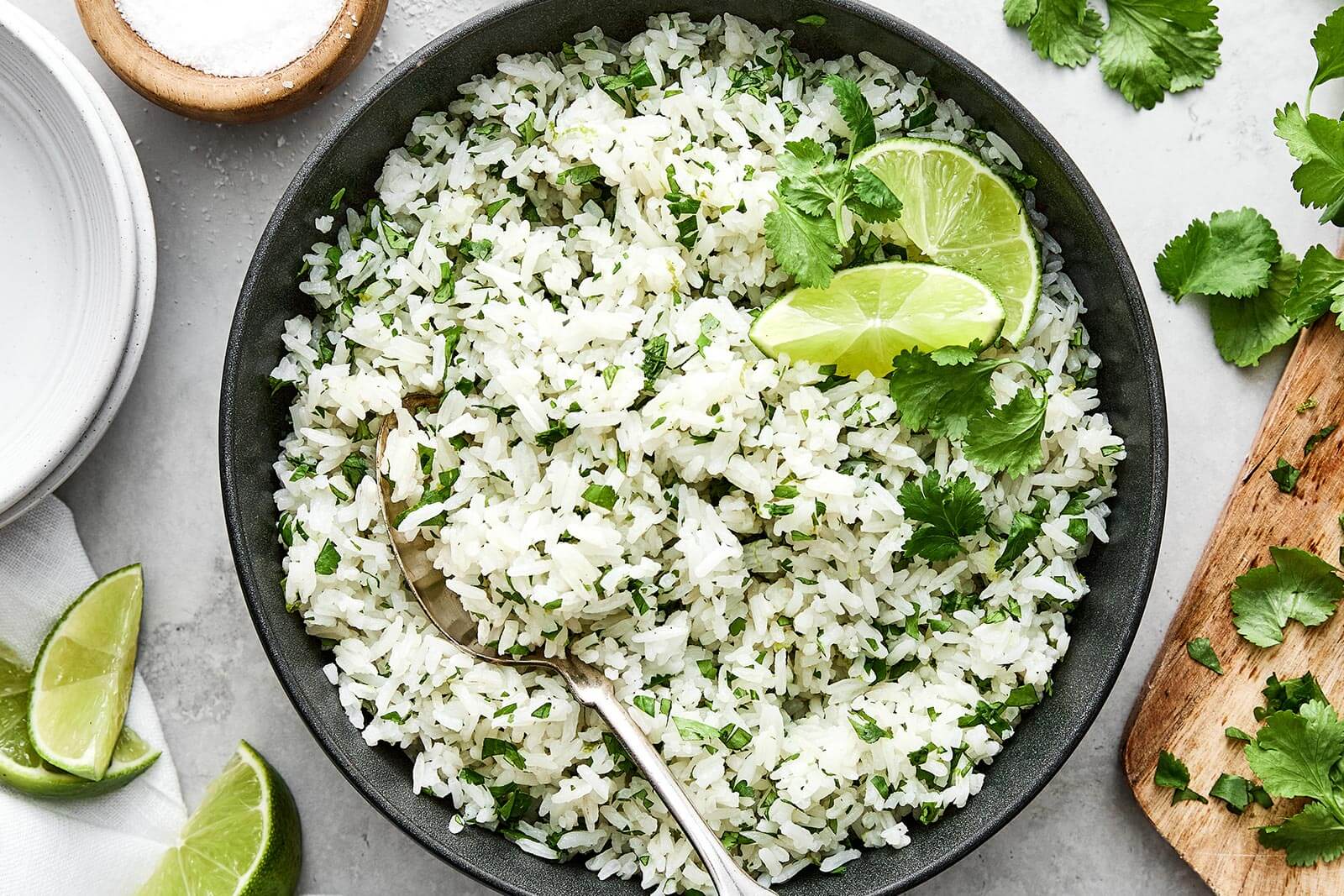
Unlock the Secret to Fluffy, Flavorful Chipotle Lime Rice at Home
There's an undeniable magic to Chipotle's cilantro lime rice. It's the unsung hero, the quiet MVP that forms the foundation of every delicious burrito and bowl, tying together savory meats, zesty salsas, and creamy guac. That perfect bite of chicken, beans, and salsa just isn't the same without that bright, herby, perfectly fluffy rice underneath it. For years, many of us have admired this fast-casual staple, believing its creation at home to be an elusive culinary feat, often resulting in gummy, sad, or just plain bland imitations.
The good news? Replicating that signature Chipotle experience in your own kitchen is not only possible but surprisingly straightforward once you know the core secrets. Say goodbye to guesswork and hello to consistently perfect, fluffy grains infused with vibrant citrus and fresh herbs. This comprehensive guide will empower you to master the art of making the best Chipotle lime rice, transforming your homemade meals into a fiesta of flavor.
The Foundation: Choosing the Right Rice for Chipotle Perfection
The journey to perfect chipotle lime rice begins long before the first grain hits the pot: it starts with selecting the correct type of rice. Chipotle's distinctive light and fluffy texture, with individual grains that don't clump together, is largely attributed to a specific variety of long-grain rice.
Understanding Rice Grains: Short, Medium, and Long
- Short-grain rice: These plump, stubby grains are high in starch and tend to stick together, making them ideal for sushi but far from the loose texture we're aiming for.
- Medium-grain rice: Falling between short and long, these grains produce a moist, tender, slightly chewy result that sticks together somewhat. Varieties like Arborio (risotto) and Bomba (paella) fall into this category.
- Long-grain rice: As the name suggests, these grains are slender and long. They have a lower starch content, resulting in a firm, dry texture with distinct, individual grains when cooked correctly. This is precisely what you need for authentic Chipotle lime rice.
Why Basmati is Your Best Bet
While many long-grain varieties exist, Basmati rice is highly recommended and often cited as the secret weapon for this copycat recipe. Basmati, known for its fragrant aroma and exceptionally long, slender grains, cooks up light, fluffy, and perfectly separated. Its inherent qualities closely mimic the texture and mouthfeel of Chipotle's rice. However, if Basmati isn't available, other long-grain white rice varieties can still yield excellent results, though you might need to adjust your cooking method slightly. For a deeper dive into rice selection, check out The Right Rice: Unlocking Authentic Chipotle Cilantro Lime.
Mastering the Method: How to Cook Fluffy Chipotle Lime Rice
Beyond the grain type, the cooking method itself plays a crucial role in achieving that sought-after non-sticky, perfectly fluffy rice. Forget the traditional absorption method for a moment; we're taking a page from pasta cooking to ensure every grain is distinct.
The "Pasta Method": Your Gateway to Gummy-Free Rice
If the thought of cooking rice fills you with dread, conjuring images of burnt bottoms or gummy messes, the "pasta method" is your savior. This technique, just like cooking pasta, involves using a generous amount of water to boil the rice. The excess water washes away much of the surface starch, which is the primary culprit behind sticky, clumpy rice. Here’s how it works:
- Rinse thoroughly: Even with the pasta method, a quick rinse of your Basmati rice under cool water until the water runs clear helps remove additional surface starch, promoting even fluffier results.
- Boil plenty of water: Use a large pot and bring a significant amount of water (at least 6-8 cups per cup of rice) to a rolling boil. Season the water lightly with salt, just as you would for pasta.
- Add the rice: Stir in your rinsed Basmati rice and cook uncovered, maintaining a gentle boil, for 10-12 minutes, or until the rice is tender but still has a slight chew (al dente).
- Drain and steam: Drain the rice thoroughly using a fine-mesh sieve. Immediately return the hot, drained rice to the empty pot, cover it tightly, and let it steam off-heat for 5-10 minutes. This step is crucial for achieving that light, fluffy texture and allowing the residual heat to finish cooking the grains perfectly.
- Fluff: Gently fluff with a fork before adding the flavorings.
Alternative Methods for Different Rice Types or Preferences
While the pasta method is highly recommended for Basmati, other techniques can still yield fantastic chipotle lime rice:
- Absorption Method (with rinsing): If you're using another long-grain rice and prefer the traditional absorption method, always rinse your rice thoroughly first. Place it in a fine-mesh sieve under cool running water until the water runs clear, or soak it for 20-30 minutes to reduce starch. Then, use the standard 1.5-2 cups of water per 1 cup of rice ratio, bring to a boil, reduce heat, cover, and simmer until all water is absorbed.
- Rice Cooker: A rice cooker simplifies the process immensely, especially for those who want a hands-off approach. Most rice cookers have specific settings for different rice types, and once you've found your ideal water-to-rice ratio (often 1:1 or 1.25:1 for Basmati), it delivers consistent results every time. Remember to rinse your rice even when using a cooker for best texture.
- Brown Rice Variation: For a healthier twist, you can make cilantro lime brown rice. Brown Basmati rice is an excellent choice, but any long-grain brown rice will work. Brown rice takes longer to cook, so adjust cooking times accordingly (often 25-30 minutes for absorption on the stovetop, or use your rice cooker's "brown rice" setting). The "pasta method" can also be adapted for brown rice, requiring a slightly longer boil time.
The Flavor Factor: Zesty Lime and Fresh Cilantro
Once your rice is perfectly cooked and fluffy, it's time to infuse it with the bright, vibrant flavors that make Chipotle lime rice so iconic. This is where fresh ingredients truly shine.
- Fresh Lime Juice and Zest: Do not compromise on fresh limes. Bottled lime juice simply doesn't deliver the same punch or aroma. For an extra layer of citrusy brightness, consider adding a tiny bit of lime zest along with the juice. The zest contains potent oils that amplify the lime flavor without adding extra liquid. Aim for about 1-2 tablespoons of fresh lime juice per cup of uncooked rice.
- Abundant Fresh Cilantro: Cilantro is the heart of this dish. Use a generous amount of freshly chopped cilantro – about ¼ to ½ cup per cup of uncooked rice, depending on your preference. Chop it finely, but don't pulverize it; you want visible flecks of green throughout the rice.
- A Touch of Salt: Proper seasoning is key. After adding the lime and cilantro, taste your rice and add salt as needed. This brings all the flavors into harmony.
Pro Tip: Add the lime juice and cilantro to the warm, fluffed rice immediately after it's done steaming. The residual heat will help the flavors meld beautifully without cooking the delicate herbs, keeping them vibrant and fresh.
Putting It All Together: Tips for the Ultimate Copycat Experience
Achieving that authentic chipotle lime rice means paying attention to a few final details:
- Don't Overcrowd the Pot: Especially with the pasta method, ensure your pot is large enough to allow the rice to move freely in the boiling water. This prevents clumping.
- Gentle Fluffing: Always use a fork to fluff the rice. A spoon can mash the grains, compromising their individual integrity.
- Taste and Adjust: Always taste your rice before serving. Does it need more lime? A pinch more salt? A little extra cilantro? Your palate is the best guide.
- Serve Immediately: While leftover cilantro lime rice is still delicious, it's best enjoyed fresh when the lime and cilantro are at their most vibrant.
Conclusion
Mastering Chipotle's cilantro lime rice at home is a truly rewarding culinary endeavor. By understanding the importance of Basmati rice, embracing the "pasta method" for cooking, and focusing on fresh, vibrant lime and cilantro, you can consistently achieve that signature fluffy texture and bright, zesty flavor. No longer just a fast-casual dream, this essential component of your favorite Mexican-inspired meals is now well within your reach. So, grab your ingredients, choose your method, and get ready to elevate your home cooking with a bowl of perfectly fluffy, incredibly flavorful chipotle lime rice!
