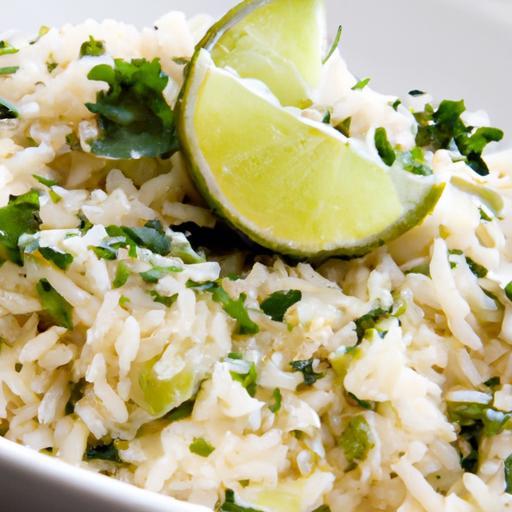
The Right Rice: Unlocking Authentic Chipotle Cilantro Lime Flavor at Home
There's something undeniably captivating about Chipotle's cilantro lime rice. It’s more than just a side dish; it’s the vibrant, fluffy, and citrusy bedrock upon which every perfect burrito bowl and foil-wrapped masterpiece is built. For many, that bright, herby foundation is the quiet MVP, the unsung hero that elevates every bite of chicken, beans, and salsa into a symphony of flavors. For years, recreating this fast-casual magic at home seemed like a daunting task, often resulting in gummy, clumpy rice or a sad, wilted cilantro situation that missed the mark entirely. But what if we told you the secret to achieving that coveted authentic
chipotle lime rice is well within your grasp? It’s not about secret handshakes or industrial equipment; it’s about understanding the nuances of rice and mastering a few simple cooking techniques.
The Foundation: Choosing the Right Rice for Authentic Chipotle Flavor
The journey to perfect
chipotle lime rice begins long before you even turn on the stove – it starts with selecting the correct type of rice. Just as you wouldn't use arborio for sushi, swapping in the wrong grain for your cilantro lime creation can lead to disappointment. Each rice variety boasts unique characteristics that dictate its texture and how it responds to cooking.
To truly understand why the right rice matters, let's break down the different grain classifications:
*
Short-Grain Rice: These grains are plump and stubby. Known for their high starch content, they become moist and sticky when cooked, making them ideal for dishes like sushi where cohesion is key.
*
Medium-Grain Rice: Falling somewhere in between, medium-grain rice varieties like Arborio or Valencia produce moist, tender, and slightly chewy grains that stick together when cooked. They're perfect for creamy risottos or paellas.
*
Long-Grain Rice: As its name suggests, long-grain rice is slender and elongated. Varieties such as American white and brown rice, Jasmine, and most importantly for our purposes, Basmati, are characterized by their firm, dry texture and separate, fluffy grains when cooked. They are the go-to for side dishes, pilafs, and salads where individual grain definition is desired.
For that quintessential Chipotle experience,
Basmati rice is the clear winner. Its inherently aromatic nature and structure ensure individual grains that cook up light, fluffy, and distinctly separate, providing the ideal canvas for the vibrant cilantro and lime flavors. While other long-grain rices can be used, Basmati’s unique qualities truly mimic the restaurant's offering. The lower starch content in Basmati compared to other varieties is a key factor in achieving that desirable non-sticky, fluffy texture. Trust us, once you try Basmati for your
chipotle lime rice, you won't look back.
Mastering the Methods: Cooking Your Chipotle Lime Rice to Perfection
Even with the perfect rice, the cooking method can make or break your homemade
chipotle lime rice. Chipotle’s signature fluffy texture comes from a specific approach that prevents stickiness and ensures each grain is distinct. Luckily, there are several methods you can employ, each with its own advantages:
Method 1: The "Pasta Method" (Stovetop)
If you've ever found cooking rice to be finicky, this method is your new best friend. It’s called the "pasta method" because, much like cooking pasta, you use an abundance of water to cook the rice, then drain it. This approach is incredibly forgiving and virtually guarantees perfectly fluffy, separate grains. The large volume of water washes away excess starch during cooking, preventing clumping and ensuring that desirable soft, yet firm, texture. This method is especially effective for preventing the dreaded gummy rice, a common pitfall. For a deeper dive into this and other techniques to avoid sticky results, you might find our article
No More Gummy Rice: 4 Easy Methods for Chipotle Perfection incredibly helpful.
Method 2: The Absorption Method (Stovetop)
This is the more traditional way to cook rice, where a precise amount of water is absorbed fully by the grains. While it requires a bit more attention, it's perfectly achievable at home. The key to success with the absorption method, especially when not using Basmati or a similar lower-starch rice, is to rinse your rice thoroughly beforehand. Place the rice in a fine-mesh sieve under cool running water and rinse until the water runs clear. This step is crucial for washing away surface starches that can lead to stickiness. Alternatively, you can soak the rice in a large bowl of water for up to 30 minutes, which also helps remove starch and can conserve water.
Method 3: The Rice Cooker
For consistent results with minimal fuss, a rice cooker is an invaluable tool. Most modern rice cookers come with specific settings for different types of rice, taking the guesswork out of water ratios and cooking times. Simply measure your rice and water according to your rice cooker's instructions, press a button, and let it do the work. This method is particularly convenient for busy weeknights or when you're preparing larger batches of
chipotle lime rice.
Method 4: Embracing Brown Rice
For those seeking a healthier twist,
Cilantro Lime Brown Rice is a fantastic option. While it takes a little longer to cook, the nutty flavor of brown rice adds another dimension to the dish. Brown Basmati rice is an excellent choice, though any long-grain brown rice will work well. Many rice cookers feature a specific 'brown rice' setting, making it incredibly easy. If cooking on the stovetop, just be prepared for slightly longer cooking times than white rice. The earthier notes of brown rice can also benefit from a slightly more generous squeeze of lime to enhance its brightness.
The Flavor Fiesta: Infusing Your Rice with Zest and Freshness
Once your rice is perfectly cooked, it's time for the true magic of
chipotle lime rice: the infusion of vibrant flavors. This step is simple but critical for achieving that fresh, zesty profile.
The essential ingredients are straightforward: fresh cilantro and fresh lime juice. The secret lies in adding these after the rice has finished cooking. This allows the heat of the rice to gently wilt the cilantro, releasing its aromatic oils without overcooking it into a dull, grassy flavor.
Here's how to do it:
1.
Fluff the Rice: Once your rice is cooked, whether by the pasta method, absorption, or rice cooker, gently fluff it with a fork. This helps separate the grains and prepares it for the flavor infusion.
2.
Add the Zest: Drizzle generous amounts of fresh lime juice over the warm, fluffed rice. The warmth will help the rice absorb the citrusy notes. Avoid bottled lime juice at all costs; its flavor is no match for the brightness of freshly squeezed limes.
3.
Fold in Cilantro: Add a generous amount of freshly chopped cilantro. Gently fold it into the rice using a fork or a rubber spatula. The goal is to distribute it evenly without mashing the rice.
4.
Season to Taste: Finish with a good pinch of salt. Salt is essential for bringing out and balancing all the flavors. Taste and adjust the lime juice, cilantro, and salt until it reaches your desired perfection. A good quality sea salt can make a noticeable difference here.
The key is to use *fresh* ingredients and to taste as you go. You want a bright, zesty, and herby balance that complements the rice without overpowering it.
Beyond the Bowl: Serving Your Homemade Chipotle Lime Rice
Your perfectly crafted homemade
chipotle lime rice is incredibly versatile and forms the basis for countless delicious meals. While it's undeniably the star of any copycat Chipotle burrito bowl, its applications extend far beyond.
Consider serving it as:
* The foundation for your custom burrito bowls, layered with your favorite proteins, beans, salsas, and guacamole.
* A flavorful filling for homemade tacos or burritos.
* A vibrant side dish for grilled chicken, fish, steak, or even tofu.
* A refreshing base for a summery salad, perhaps with black beans, corn, and avocado.
It’s also an excellent candidate for meal prepping. Cook a larger batch at the beginning of the week, and you’ll have a delicious, ready-to-go component for quick and easy lunches or dinners. For a comprehensive guide on creating the ultimate copycat, check out our article
Master Chipotle's Cilantro Lime Rice: Perfect Fluffy Copycat.
Conclusion
Recreating the authentic taste and texture of Chipotle's cilantro lime rice at home is not just possible, it's incredibly rewarding. By understanding the importance of choosing the right rice – specifically Basmati – and employing the correct cooking methods, you can achieve that sought-after fluffy, non-sticky perfection. Coupled with the vibrant freshness of freshly squeezed lime juice and aromatic cilantro, you'll unlock a culinary experience that rivals your favorite fast-casual spot. Experiment with the different methods, adjust flavors to your palate, and soon you'll be enjoying the ultimate
chipotle lime rice in the comfort of your own kitchen. Happy cooking!