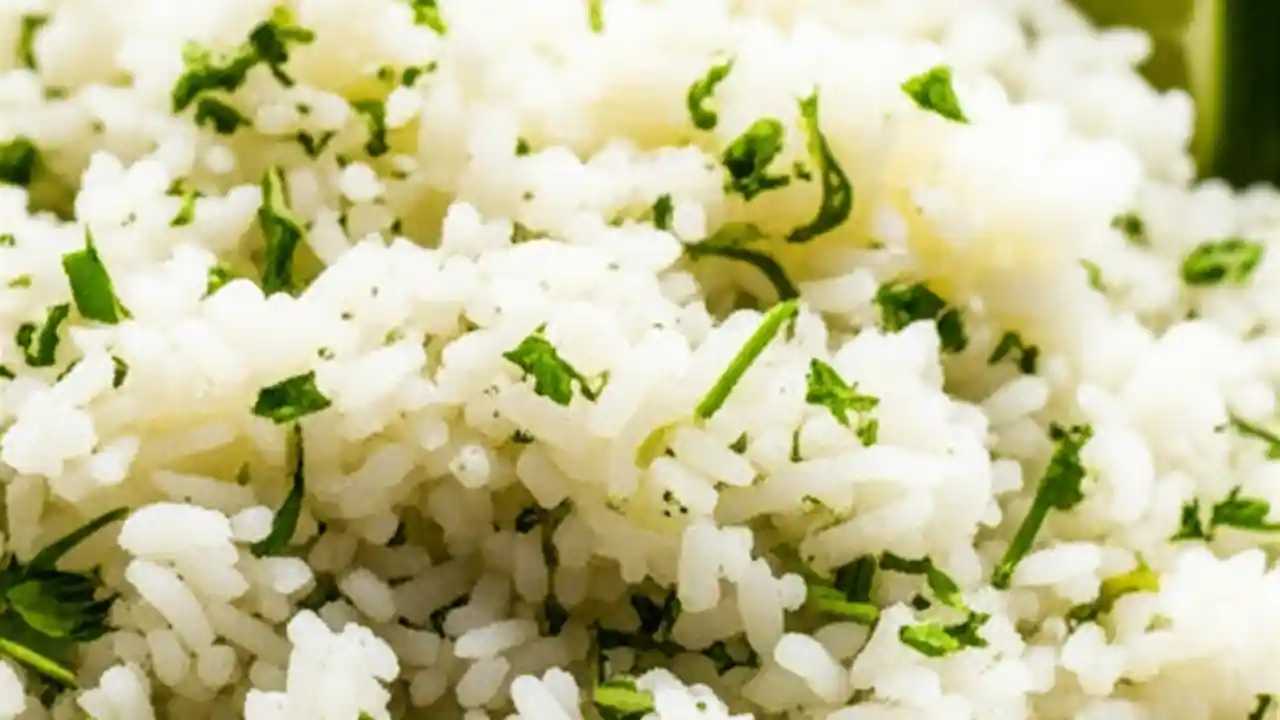
No More Gummy Rice: 4 Easy Methods for Chipotle Perfection
There's an undeniable magic to Chipotle's cilantro lime rice. It’s the foundational layer, the vibrant, fluffy, and citrusy backbone that elevates every forkful of burrito bowl or taco. For many, that perfect, non-gummy texture and bright flavor seem like a culinary enigma, a secret whispered only within Chipotle kitchens. But what if we told you that the days of struggling with sticky, clumpy, or bland homemade rice are over? Achieving that iconic chipotle lime rice perfection in your own kitchen is not only possible but surprisingly simple with the right techniques.
We've all been there: attempting to replicate that zesty fiesta at home, only to end up with sad, gummy rice or a cilantro situation that tastes more like lawn clippings. The good news? You don't need a secret handshake or an industrial-sized lime squeezer. This comprehensive guide will peel back the layers of that "fast-casual magic trick," revealing four foolproof methods to cook perfect, fluffy rice every single time, along with essential tips to infuse that signature cilantro-lime zest. Get ready to transform your home-cooked meals with truly exceptional chipotle lime rice.
The Foundation: Choosing the Right Rice for Your Chipotle Lime Rice
Before we even think about cooking, the journey to perfect chipotle lime rice begins with selecting the correct type of grain. Rice isn't just rice; its length-to-width ratio, starch content, and texture vary significantly, impacting the final dish. Using the wrong type can quickly lead to disappointment.
Grain Length Matters
- Short-grain rice: These are plump, stubby grains, rich in starch, which makes them sticky and prone to clumping. Think sushi rice – excellent for rolling, but a definite no-go for light, fluffy bowls.
- Medium-grain rice: Falling somewhere in between, medium-grain varieties like Arborio or Valencia rice yield moist, tender, and slightly chewy grains that still tend to stick together. Ideal for risotto or paella, but not our goal here.
- Long-grain rice: This is where the magic happens for Chipotle-style rice. Long-grain varieties are slender and, as their name suggests, long. They have a lower starch content, resulting in a firm, dry, and distinct texture when cooked, making them ideal for pilafs, salads, and, crucially, our fluffy side dish.
Basmati: The Unofficial King
While many long-grain varieties can work, Basmati rice stands out as the premium choice for authentic chipotle lime rice. Hailing from the Indian subcontinent, Basmati is celebrated for its distinctive aroma and delicate, non-sticky texture. Its grains elongate significantly when cooked, remaining separate and fluffy, which is exactly what we're aiming for. While you can certainly use other long-grain options like Jasmine rice or American white rice, opting for Basmati will give you the closest replica of that beloved Chipotle experience. Remember, as a general rule in cooking, sticking to the recommended rice type for a recipe dramatically increases your chances of success. To truly understand the impact of your choice, read more about The Right Rice: Unlocking Authentic Chipotle Cilantro Lime.
4 Proven Methods to Achieve Gummy-Free Chipotle Lime Rice
The secret to perfectly cooked rice often lies in managing starch and moisture. Here are four reliable methods, each with its own advantages, to ensure your rice is fluffy, individual, and ready to absorb that zesty flavor.
Method 1: The Pasta Method (Stovetop Secret to Fluffiness)
If the thought of cooking rice fills you with dread, this method is your new best friend. It's called the "pasta method" for a reason: if you can boil water and cook pasta, you can master this. The principle is simple: cook the rice in an abundance of water, much like pasta, and then drain away the excess. This process effectively washes away loose starches, which are the primary culprits behind gummy rice.
- How it works: Bring a large pot of salted water to a rolling boil (at least 6-8 cups of water for every 1 cup of rice). Add your long-grain Basmati rice and boil, uncovered, for 10-12 minutes, or until the grains are tender but still have a slight chew. Drain thoroughly in a fine-mesh sieve.
- Why it's great: It's incredibly forgiving. Overcooking by a minute or two won't ruin it, and the generous water volume ensures even cooking and starch removal.
- Pro Tip: Don't stir the rice too much once it's boiling, as this can break the grains and release more starch.
Method 2: The Absorption Method (Classic & Consistent)
This is the more traditional way of cooking rice, where a precise amount of water is absorbed completely by the grains. It's highly effective for fluffy rice, especially when combined with a crucial pre-cooking step.
- Crucial step: Rinsing the rice. Before cooking, place your long-grain rice in a fine-mesh sieve under cool running water. Rinse until the water running through the sieve is completely clear. Alternatively, soak the rice in a large bowl of water for up to 30 minutes, then drain well. This step is vital for removing excess surface starch, which directly contributes to stickiness.
- How it works: Combine the rinsed rice with the appropriate amount of water (typically a 1:1.5 or 1:2 rice-to-water ratio, depending on the rice and desired texture) in a heavy-bottomed pot. Bring to a boil, then immediately reduce heat to the lowest setting, cover tightly, and simmer for 15-20 minutes. Remove from heat and let it rest, still covered, for 10 minutes.
- Why it's great: Water-efficient and yields consistently tender results when done correctly.
- Pro Tip: A tight-fitting lid is essential to trap steam. Avoid lifting the lid during cooking, as this releases steam and interrupts the absorption process.
Method 3: The Rice Cooker (Effortless Perfection)
For sheer convenience and consistent results, a rice cooker is an invaluable tool. Most modern rice cookers are programmed to handle various rice types with minimal fuss, making them perfect for busy weeknights.
- How it works: Measure your rinsed long-grain rice and water according to your rice cooker's instructions (usually indicated by markings inside the pot). Close the lid, select the appropriate setting (often "white rice" or "long grain"), and press start.
- Why it's great: It’s a set-it-and-forget-it solution. Rice cookers maintain a consistent temperature, preventing burning and ensuring even cooking without constant monitoring.
- Pro Tip: Even with a rice cooker, rinsing your rice beforehand is highly recommended to achieve that signature fluffy, separated grain texture of chipotle lime rice.
Method 4: Embracing Brown Rice (A Healthier Twist)
For those seeking a more nutrient-dense option, brown rice can absolutely be transformed into delicious chipotle lime rice. While it requires a slightly longer cooking time and has a chewier texture, it offers a wonderfully nutty flavor profile.
- How it works: Brown Basmati rice is an excellent choice, but any long-grain brown rice will do. You can use either the absorption method on the stovetop or, even easier, a rice cooker. Most rice cookers have a dedicated "brown rice" setting that adjusts cooking time and temperature automatically. On the stovetop, plan for a longer simmer (around 30-45 minutes) and a slightly higher water ratio (1:2 to 1:2.5 rice-to-water) compared to white rice.
- Why it's great: Adds fiber, nutrients, and a distinct earthy flavor that complements the bright citrus notes.
- Pro Tip: Soaking brown rice for 30 minutes to an hour before cooking can help reduce cooking time and improve texture.
Beyond the Cook: Infusing That Signature Chipotle Flavor
Once your rice is perfectly cooked and fluffy, it's time for the grand finale: adding the fresh, vibrant flavors that define chipotle lime rice. This step is where convenience meets critical technique.
- Key Ingredients:
- Fresh Lime Juice: This is non-negotiable. Bottled lime juice simply doesn't compare to the bright, zesty punch of freshly squeezed limes. You'll need a generous amount.
- Fresh Cilantro: Finely chopped cilantro provides that distinctive herbaceous aroma and flavor. Avoid dried cilantro; it will not yield the same results.
- Salt: Essential for balancing and enhancing all the flavors.
- The Process:
Once the rice has finished cooking and rested (if using the absorption or rice cooker method), gently transfer it to a large bowl. Add the fresh lime juice, finely chopped cilantro, and salt to taste. Use a fork to gently fluff and fold the ingredients into the rice. The goal is to distribute the flavor evenly without mashing the delicate grains.
- Pro Tip: For an extra aromatic boost, grate a tiny bit of lime zest into the rice along with the juice. A small pinch of sugar can also help balance the acidity of the lime, especially if your limes are particularly tart. Taste and adjust. This isn't a "set it and forget it" flavor step – trust your palate! For a deeper dive into the exact ratios and ingredients, consider our detailed guide: Master Chipotle's Cilantro Lime Rice: Perfect Fluffy Copycat.
Pro Tips for Your Best Chipotle Lime Rice Yet
- Don't Rush the Rest: After cooking, especially with the absorption method, let the rice rest, covered, off the heat for 5-10 minutes. This allows the steam to redistribute, resulting in fluffier grains.
- Fluff with a Fork: Always use a fork, not a spoon, to fluff and mix the rice. A fork gently separates the grains without crushing them, maintaining that desired texture.
- Taste as You Go: This applies to both the salt during cooking (if using the pasta method) and the lime/cilantro mixture. Adjust seasonings until it's just right for your palate.
- Fresh is Best: We cannot overstate the importance of fresh lime juice and fresh cilantro. They are the heart of this dish.
- Batch Cooking: A general rule of thumb is that 1 cup of uncooked white rice yields approximately 3 cups of cooked rice. Plan accordingly for your meal prep!
Say goodbye to gummy rice and hello to homemade perfection! By understanding the importance of the right rice type, utilizing these proven cooking methods, and mastering the art of flavor infusion, you can consistently recreate that beloved chipotle lime rice right in your own kitchen. Experiment with these techniques, find your favorite, and prepare to elevate all your Mexican-inspired dishes. Your taste buds (and your burrito bowls) will thank you!
